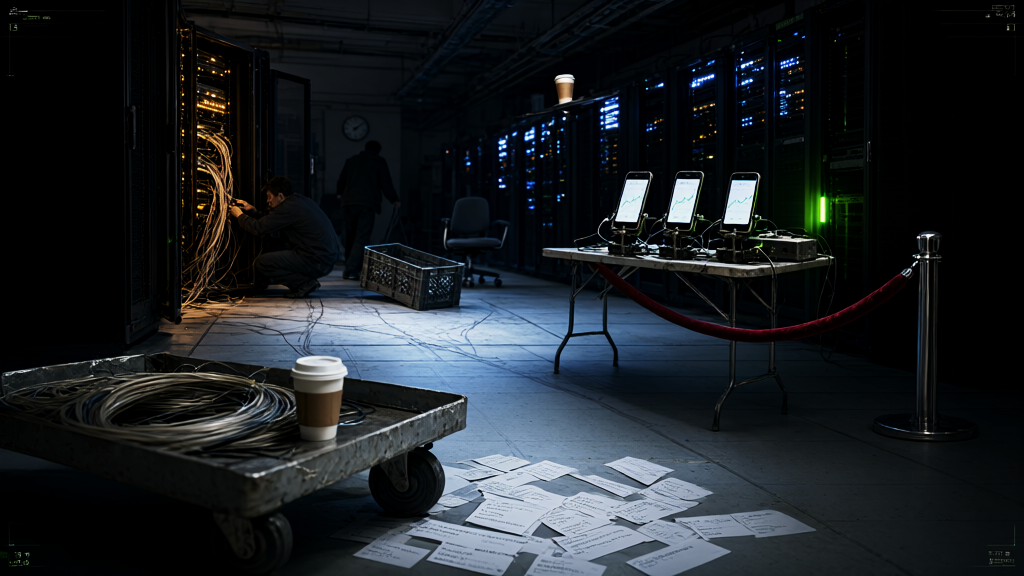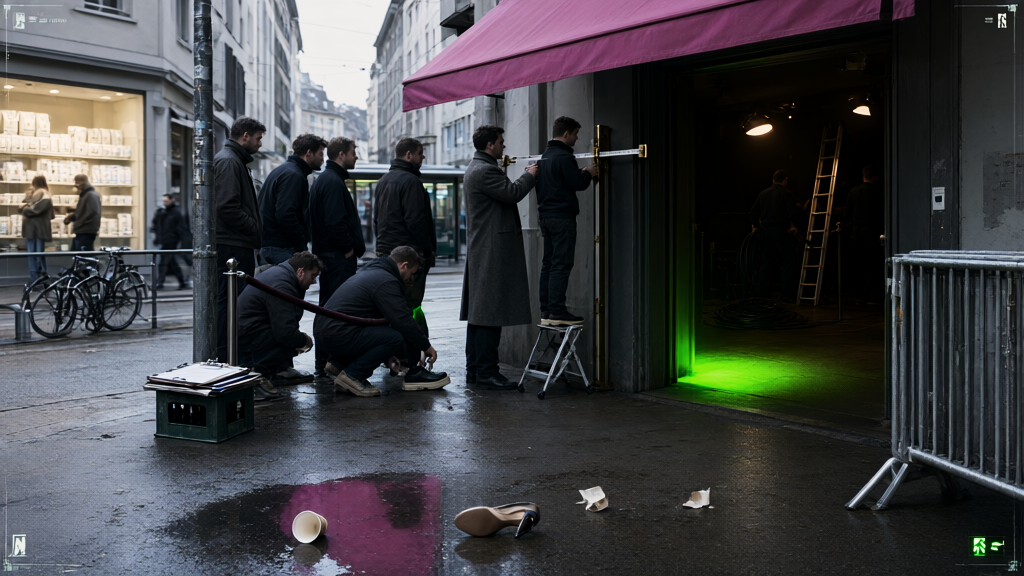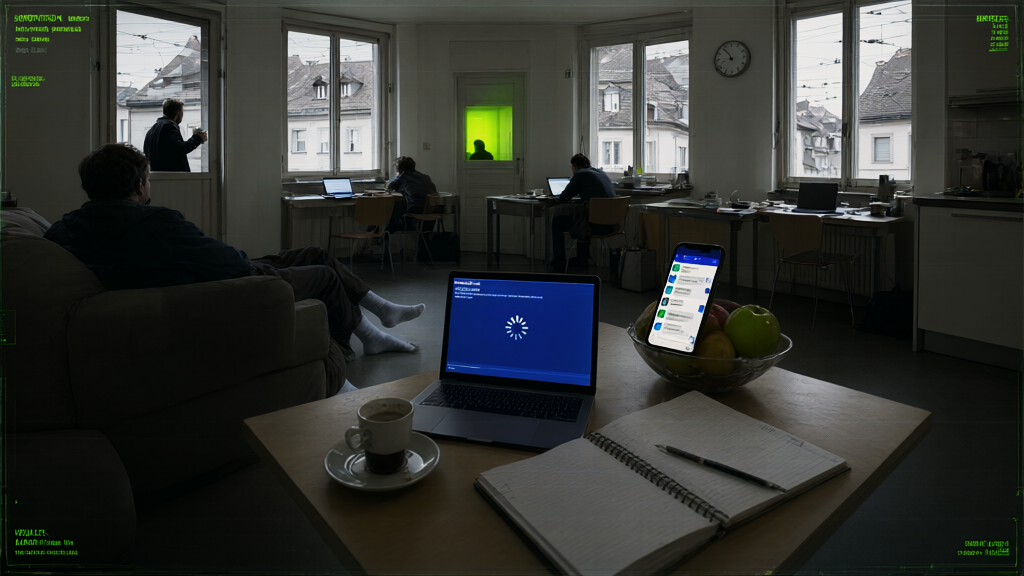
ZURICH, Switzerland. A global disruption at Microsoft silenced workplace systems this week, and Swiss employment law expert Thomas Geiser appeared on national radio to address the burning legal question: who continues to be paid. Not who noticed. Forty thousand adult primates learned that their permission to stop existing near their desks had been issued by a login screen, and the login screen had resigned.
I have watched senates on six worlds, so permit me the anatomy of the trick. Step one: the employer announces a culture of autonomy, flexibility, and results over hours, and receives applause. Step two: every gesture of the workforce is logged through a single platform, which issues tasks, tracks availability, and defines presence. Step three: the platform fails. Step four: the other hand opens, and it is holding the school bell. Nobody knew they were pupils until the teacher stopped speaking. With the Eight-Limbed Collective of Threll, output continued while the supervisor slept. Here, sleep required a supervisor's approval.
A Zurich insurance firm's Head of Flexible Work Culture, Fräulein Marlene Vogt, told this desk: "We recruit independent adults precisely because adults respond so well to being monitored like a class of nine-year-olds." Without irony. That is the local dialect for sincerity.
The escalation is dimensional. First the cost: idle hours must now be classified, compensated, or excused, so a payroll department is drafting rules for doing nothing — Form 12, Record of Verified Absence of Work, left unsigned, since signing would constitute activity. Then the role reversal: employees telephoned their supervisors to ask whether they existed. One works council member, requesting anonymity to remain employed, confessed: "When the screen goes dark, none of us knows if we are free. We have to call someone and ask."
My colleague believes some author designed this on purpose; our own senate once required all motives to be registered, and the register is unreadable, which the senate calls proof of purity. Either way, the outage lasted hours. The laptops restarted. The supervision did not, because it was never in the laptop. Forty thousand primates now hold the answer to the radio question, and it is not the work. It is the permission — renewed hourly, pending review — to continue existing near the desk.